| Brand Name: | HS |
| Model Number: | HS-45 |
| MOQ: | 1Piece/Pieces |
| Price: | USD,0.89-10.79,Piece/Pieces |
| Payment Terms: | L/C,D/A,D/P,T/T,Western Union,MoneyGram |
| Supply Ability: | 5000,Piece/Pieces,Month |
The interconnected realms of steel fabricators, general metal fabricator services, and specialized CNC machining bronze operations represent the foundational pillars of modern industrial manufacturing.
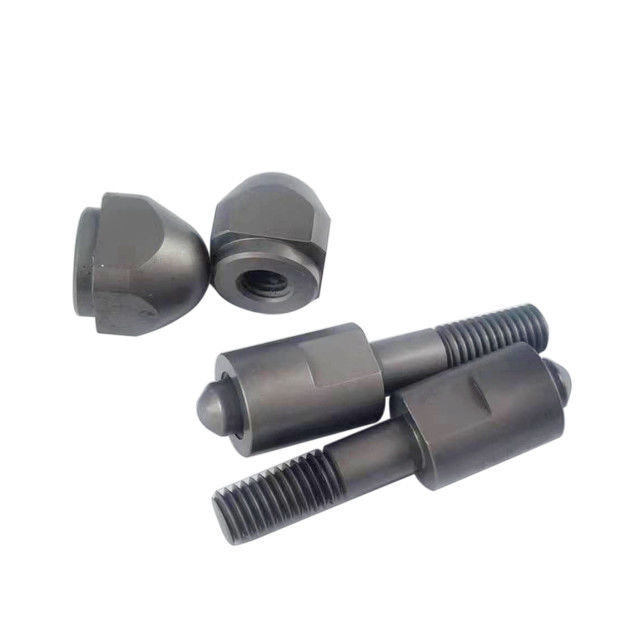
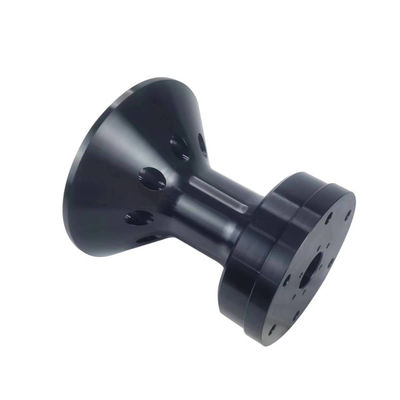
| Product Name | High Precision CNC Machining Milling Turning Aluminum Parts |
| Machining Service | CNC Turning, CNC Milling, Precision CNC Machining, Laser Cutting, EDM, etc. |
| Material | Aluminum:AL6061, Al6063, AL6082, AL7075, AL5052, A380 etc. |
| Stainless Steel: SS201,SS301, SS303, SS304, SS316, SS416 etc. | |
| Steel: mild steel, Carbon steel, 4140, 4340, Q235, Q345B, 20#, 45# etc. | |
| Brass: HPb63, HPb62, HPb61, HPb59, H59, H68, H80, H90 etc. | |
| Copper: C11000,C12000,C12000 C36000 etc. | |
| Iron: A36, 45#, 1213, 12L14, 1215 etc. | |
| Plastic: ABS, PC, PE, POM, Delrin, Nylon, PP,PEI, Peek etc. | |
| Capacity | CNC Turning work range: φ0.5 - φ300 * 750 mm Tolerance: +/-0.005 mm |
| CNC Milling work range: 510 * 1020 * 500 mm(max) Tolerance: +/-0.01 mm | |
| Main Equipment | CNC Lathe, Machining Center, Milling Machine, CNC Laser Cutting Machine, Cylindrical Grinder Machine, Drilling Machine, etc. |
| Testing Equipment | Measurement instrument, Projector, CMM, Altimeter, Micrometer, Thread Gages, Calipers, Pin Gauge etc. |
| Inspection | 100% QC, can provide inspection every batch |
| Drawing | 3D Drawing: .step / .stp, 2D Drawing: .dxf/ .dwg / .pdf |
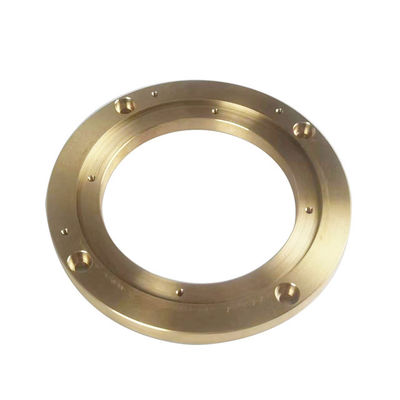
CNC machining of bronze is a precise engineering process through which tools and equipment are used to shape bronze. This copper-tin alloy is widely recognized for its excellent durability and corrosion resistance. This technology is crucial in manufacturing components for various industries, spanning applications from marine to aerospace, leveraging the mechanical properties of bronze to achieve functionality and extended service life.
Is bronze difficult to machine?
The ease of machining bronze primarily depends on the tools and techniques used. With the right methods, machining bronze can actually be relatively simple. The machinability of bronze is influenced by the specific alloy chosen. For example, phosphor bronze is known for its fine grain structure and superior machinability, often making it the preferred material for manufacturing complex parts.
How is Bronze Processed? A Detailed Step-by-Step Guide
Processing bronze requires precision and an understanding of the material's properties. Here are the detailed steps involved in bronze processing:
Choosing the right type of bronze is crucial. Available types include:
Before processing, the bronze needs to be prepared to a workable size. This includes:
CNC Milling: Using computer-controlled milling machines to precisely engrave, drill, and shape the bronze to the required dimensions.
Turning: Using a lathe to rotate the bronze, combined with cutting tools to form symmetrical parts.
Drilling: Using drill bits to precisely drill holes in the bronze, creating the required holes and cavities.
Grinding: Using grinding tools to achieve precise dimensions and a smooth surface.
Deburring: Removing any burrs or sharp edges left from the processing to ensure smooth edges on the parts.
Polishing: Enhancing the aesthetics and functionality of the bronze parts, increasing corrosion resistance.
Heat Treatment: In some cases, heat treatment is performed to improve the metal's properties, enhancing hardness and stress resistance.
Inspection and Testing: Using tools such as calipers and coordinate measuring machines to check the quality of each part and ensure it meets specifications.
CNC Milling and CNC Turning
CNC Milling
CNC milling is a machining process that removes material from a bronze workpiece using a rotating cutting tool to achieve the desired shape. This method is ideal for complex designs requiring high precision, such as custom bearings and bushings. The advanced control systems of CNC milling machines enable precise tolerances and intricate pattern designs, which is particularly important in applications demanding high corrosion resistance and strength.
CNC Turning
CNC turning, on the other hand, utilizes a lathe to rotate the bronze workpiece, allowing a cutting tool to systematically sculpt cylindrical or contoured parts. This process is particularly suitable for manufacturing parts such as shafts and valves, which require strict uniformity and surface finish. CNC turning's efficiency in handling circular or tubular shapes makes it indispensable in the production of parts that need to exhibit high durability and consistent performance under thermal stress.
These two machining processes each offer distinct advantages in bronze manufacturing, meeting the needs of parts with varying shapes and functions.
FAQ: