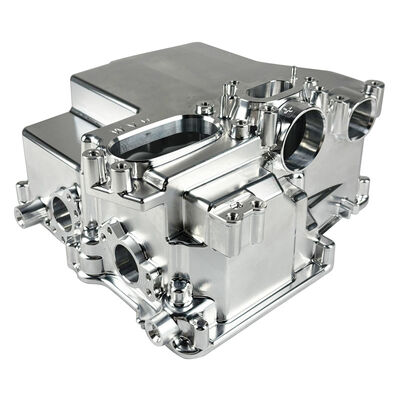
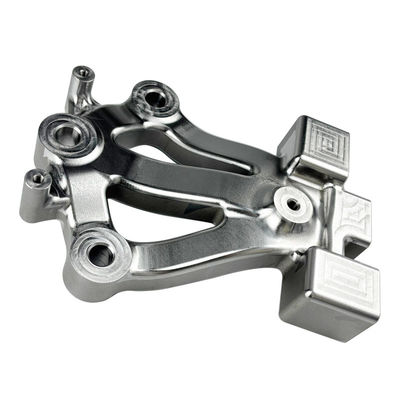
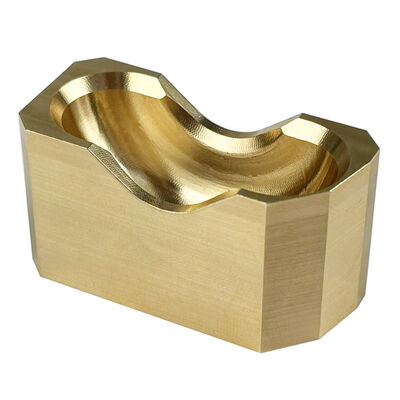
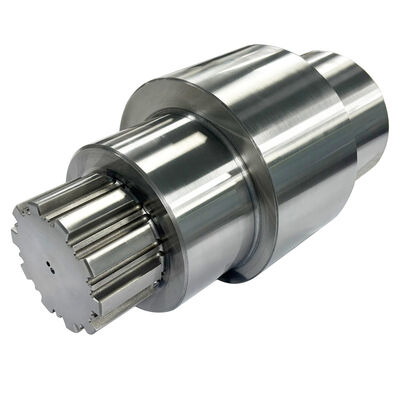
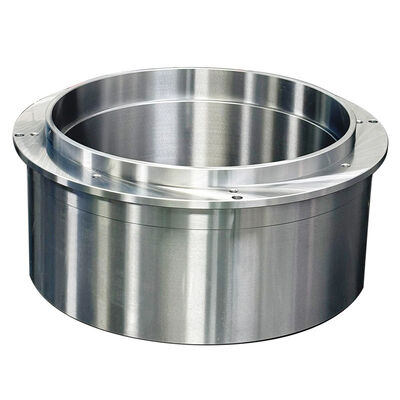
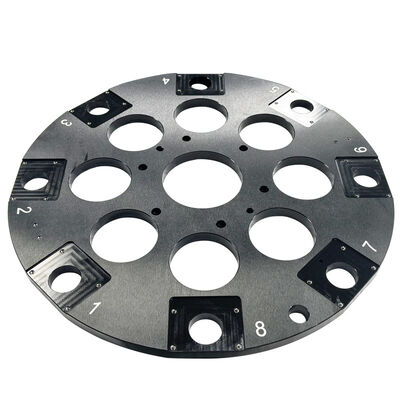
The array of CNC milling machines includes manual, plain, universal, and omniversal types, offering capabilities such as tapping, drilling, turning, and face milling for processing tough metals. While typically featuring three-axis movements, advanced variants can incorporate extra axes for enhanced precision and versatility in machining operations.
For More Information, Please Visit:
https://www.hongsinn.com/supplier-4638577-cnc-cutting-service
Plastic CNC machine parts are commonly crafted from engineering plastics known for their durability, versatility, and machinability. Materials like acetal (POM), nylon, polycarbonate, and acrylic are frequently utilized due to their strength, impact resistance, and ease of fabrication. These plastics offer properties such as high tensile strength, low friction coefficients, and excellent dimensional stability, making them ideal for manufacturing precision components in various industries. Plastic CNC machine parts ensure cost-effectiveness, corrosion resistance, and the ability to meet intricate design specifications, providing a wide range of applications in modern machining processes.
For More Information, Please Visit:
https://www.hongsinn.com/supplier-4638579-plastic-cnc-machining-parts
Aluminum is a commonly CNC machining material, with its low cost, lightweight, and excellent machinability making it popular for diverse components. CNC can precisely cut, shape, and finish aluminum parts with high accuracy and efficiency, producing parts for industries like automotive, aerospace, and electronics.
For More Information, Please Visit:
https://www.hongsinn.com/supplier-4638581-cnc-machining-aerospace-parts
CNC plastic machining involves the fabrication of precision plastic components using computer numerical control (CNC) machines. This process utilizes automated tools guided by digital instructions to shape and create plastic parts with high accuracy and repeatability. Plastic CNC machine parts are produced by cutting, milling, drilling, and turning plastic materials to meet specific design requirements. This method ensures tight tolerances, smooth finishes, and the production of custom plastic components for various applications in industries like automotive, electronics, and healthcare.
For More Information, Please Visit:
https://www.hongsinn.com/supplier-4638580-cnc-machining-automation-parts
In modern CNC protocols, part production is largely automated through pre-programmed software. Initially, part dimensions are established using computer-aided design (CAD) software. Subsequently, these specifications are translated into a tangible end product using computer-aided manufacturing (CAM) software. This seamless integration of CAD and CAM software streamlines the manufacturing process, enhancing efficiency and accuracy in creating finished parts within CNC operations.
For More Information, Please Visit:
CNC turning machines can be broadly categorized into two fundamental types - horizontal turning centers and vertical turning centers. Horizontal lathes are commonly used for turning long, slender workpieces, while vertical turning centers are better suited for processing large, heavy parts. The orientation of the spindle is the primary distinguishing factor between these two CNC turning machine configurations, each offering unique capabilities to meet diverse manufacturing requirements across industries.
For More Information, Please Visit:
The key components of a CNC (Computer Numerical Control) machine system include:
Driving System
Machine Tool
Headstock
Chuck
Spindle:
Tool Turret
Tailstock
Machine Bed
For More Information, Please Visit:
The key difference between 3-axis and 5-axis CNC machining is the number of axes and the level of geometric complexity. 3-axis machines move linearly, enabling simple 3D machining, while 5-axis systems have two additional rotational axes, allowing the tool to approach the workpiece from multiple angles.
For More Information, Please Visit:
https://www.hongsinn.com/supplier-4326156-5-axis-cnc-machining
CNC machining components refer to parts or products that are manufactured using computer numerical control (CNC) machining technology. This advanced manufacturing process involves the use of computer-controlled machines to precisely cut, shape, and fabricate a wide range of components from various materials, including metals, plastics, and composites.
For More Information, Please Visit:
https://www.hongsinn.com/supplier-4326153-cnc-machining-large-parts
CNC machines recoup initial costs through high output and fewer errors. Operators require less training, learning in a virtual environment, eliminating physical workpieces. Custom CNC machining services provide enhanced design flexibility, enabling complex geometries. This precision, reliability, and versatility make CNC machining preferred for advanced manufacturing.
For More Information, Please Visit:
https://www.hongsinn.com/supplier-4638582-cnc-machining-medical-parts
Bending Methods:
Using your hands: Applying direct force can bend some metals manually.
Vice and hammer: Clamping the metal in a vice and using a hammer allows shaping to the desired angle.
Pliers: This method is well-suited for bending small metal pieces.
For more complex or specialized bending needs, a CNC bending service leverages computer-controlled machines to apply targeted deformation.
For More Information, Please Visit:
https://www.hongsinn.com/supplier-4326161-sheet-metal-bending-parts
Bespoke CNC Machining costs range $50-$500+ per hour, driven by machine size, material, part complexity, and operator expertise. Basic CNC systems cost less, while advanced machines for intricate parts cost more. Comprehending these factors enables service providers to deliver precise, competitive quotes tailored to each customer's unique CNC machining needs.
For More Information, Please Visit:
https://www.hongsinn.com/supplier-4638576-bespoke-cnc-machining